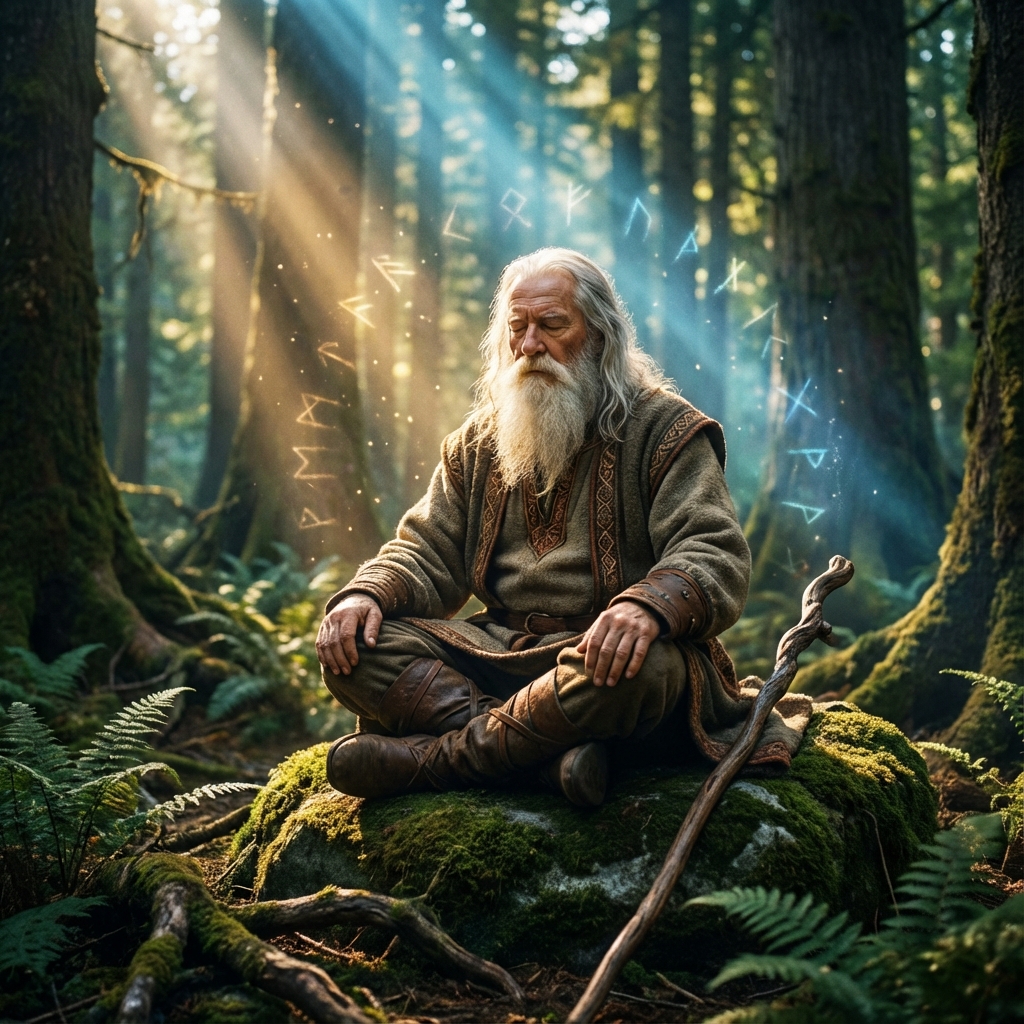
Avoiding Burnout: Setting Realistic Boundaries for Your Wishes
Understanding Burnout
Burnout is more than just feeling tired after a long week. It is a state of emotional, physical, and mental
exhaustion caused by excessive and prolonged stress. It occurs when you feel overwhelmed, emotionally drained, and
unable to meet constant demands. As the stress continues, you begin to lose the interest and motivation that led you
to take on a certain role in the first place.
Whether you are a professional climbing the corporate ladder or a student striving for academic excellence, setting
realistic boundaries is crucial for maintaining your well-being and keeping your wishes and goals alive.
Avoiding Burnout at Work
Workplace burnout is increasingly common, but it is not inevitable. Here are practical steps to set boundaries and
protect your energy:
- Set Clear Boundaries: Define your working hours and stick to them. Avoid checking emails or
Slack messages after hours. Let your colleagues know when you are available and when you are off the clock. - Prioritize Tasks: distinct between what is “urgent” and what is “important.” Use the Eisenhower
Matrix to organize your to-do list and focus on what truly moves the needle. - Take Regular Breaks: Step away from your desk. A 5-minute walk or a brief meditation session
can reset your focus and lower cortisol levels. - Communicate with Leadership: If your workload is unmanageable, have an honest conversation with
your manager. It’s better to speak up early than to crash later.
How to Avoid Burnout as a Student
Students face unique pressures, from exams to social expectations. Here is how to stay balanced:
- Prioritize Sleep: All-nighters might seem necessary, but they destroy cognitive function. Aim
for 7-9 hours of sleep to consolidate memory and repair your body. - Break Down Assignments: distinct large projects into smaller, manageable chunks. This prevents
the overwhelming feeling of a looming deadline. - Find Hobbies Outside School: Engage in activities that have nothing to do with your grades.
Whether it’s sports, art, or gaming, your brain needs a different kind of stimulation. - Socialize: Isolation feeds burnout. Maintain connections with friends and family who can offer
emotional support.
Recommended Resources
If you are feeling the heat, these resources can offer guidance and support.
Books Recommendations
- “Burnout: The Secret to Unlocking the Stress Cycle” by Emily Nagoski, PhD, and Amelia Nagoski,
DMA – A fantastic deep dive into the biological stress cycle and how to complete it. - “The Burnout Epidemic” by Jennifer Moss – Explores the organizational causes of burnout and how
to fix them. - “Atomic Habits“ by James Clear – While not strictly about burnout, it helps in building systems
that reduce decision fatigue and stress.
Helpful YouTube Videos
Visual learners may find these videos particularly helpful:
- How to Avoid Burnout | Dr. Cal Newport & Dr. Andrew
Huberman – A scientific look at focus and burnout. - How to Avoid Burnout: Crash Course
Business – A quick, practical guide to soft skills and self-care.
Community Support on Reddit
Sometimes, knowing you aren’t alone makes all the difference. Check out these communities:
- r/burnedout – A dedicated space for those
feeling the effects of burnout to share and support each other. - r/mentalhealth – A broader community for
discussing all aspects of mental well-being. - r/productivity – Often contains threads on
recovering from burnout and building sustainable habits.
Frequently Asked Questions About Burnout
1. What are the first signs of burnout?
Common early signs include chronic fatigue, insomnia, forgetfulness, and physical symptoms like chest pain or
heart palpitations. You may also feel increased irritability and a sense of detachment from your work or
studies.
2. How is burnout different from ordinary stress?
Stress involves “too much”—too many pressures that demand too much of you mentally and physically. Burnout is
about “not enough”—feeling empty, devoid of motivation, and past caring. Stressed people worry they won’t
manage; burnt-out people often don’t see any hope of positive change.
3. Can I recover from burnout without quitting my job?
Yes, often recovery is possible through setting stricter boundaries, taking extended leave, delegating tasks, and
changing how you engage with your work. However, if the workplace culture is toxic, leaving might be the only
permanent solution.
4. How long does burnout recovery take?
Recovery time varies greatly from person to person. It can take anywhere from a few weeks to over a year,
depending on the severity of the burnout and the changes made to your lifestyle and environment.
5. Is burnout considered a medical condition?
While burnout itself is not classified as a medical condition in the DSM-5, it is recognized by the World Health
Organization as an “occupational phenomenon” that influences health status and can lead to conditions like
depression and anxiety.
6. How can I help a colleague or friend who is burnt out?
Listen without judgment, encourage them to take breaks, and help them prioritize tasks if you can. Remind them
that their worth is not tied to their productivity and encourage them to seek professional support if needed.
7. What foods help with burnout recovery?
Focus on a balanced diet rich in magnesium, zinc, and B-vitamins to support your nervous system. Foods like dark
leafy greens, nuts, seeds, fatty fish, and whole grains can help replenish depleted energy stores.
8. Does exercise help or hurt burnout?
Gentle exercise is beneficial as it reduces cortisol levels. However, intense high-impact workouts might add
more stress to an already exhausted body. Stick to restorative activities like walking, yoga, or swimming.
9. When should I seek professional help for burnout?
You should seek help if you experience physical symptoms that don’t go away, if you feel hopeless or depressed,
or if your burnout is affecting your ability to function in daily life. A therapist can provide tools to
navigate recovery.

I transform ideas into solutions. I write things, help people and like to learn.